Trace Every Drop, Watt, and Dollar at Home

Today we focus on mapping household resource flows to reduce waste and save money, turning invisible patterns into clear, practical actions. By tracing how energy, water, food, and materials move through your rooms, routines, and devices, you will uncover small leaks and big opportunities that add up. Simple drawings, quick logs, and a few smart tools can reveal where money quietly disappears and how to guide it back into your pocket.

Energy Pathways You Can See

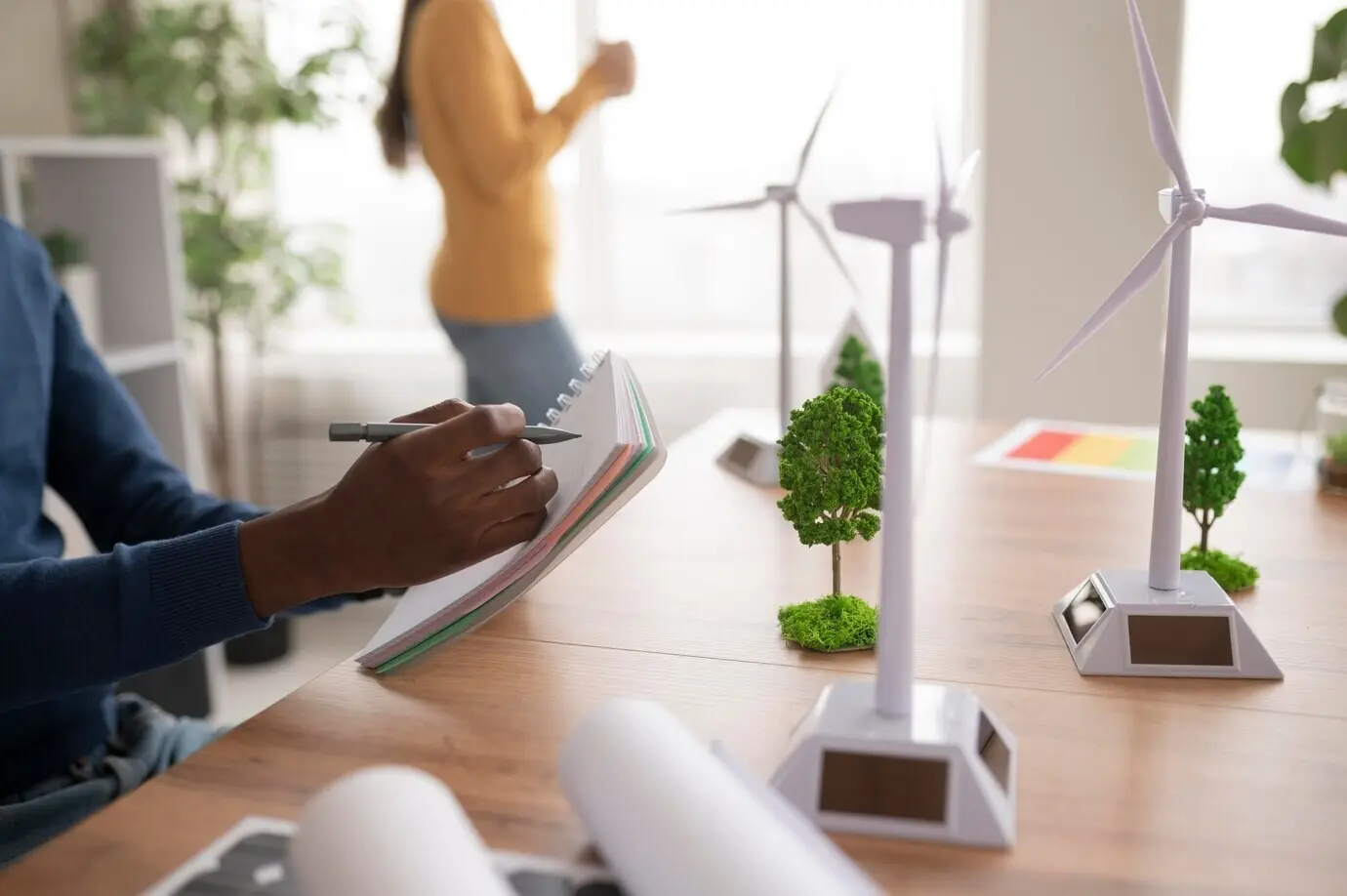
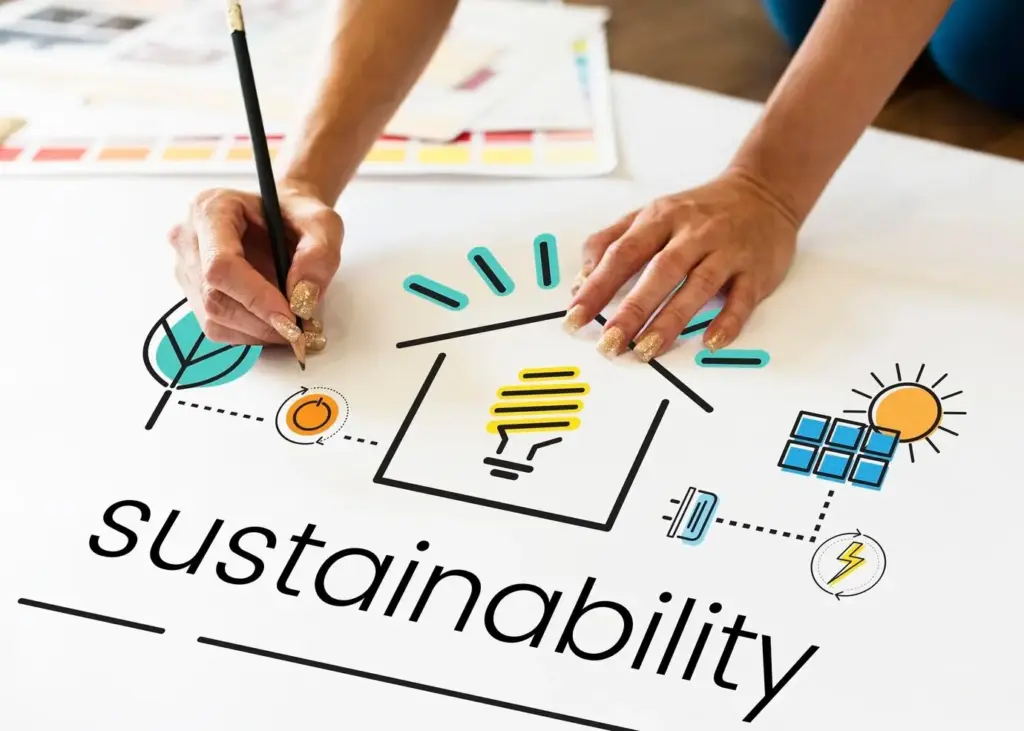
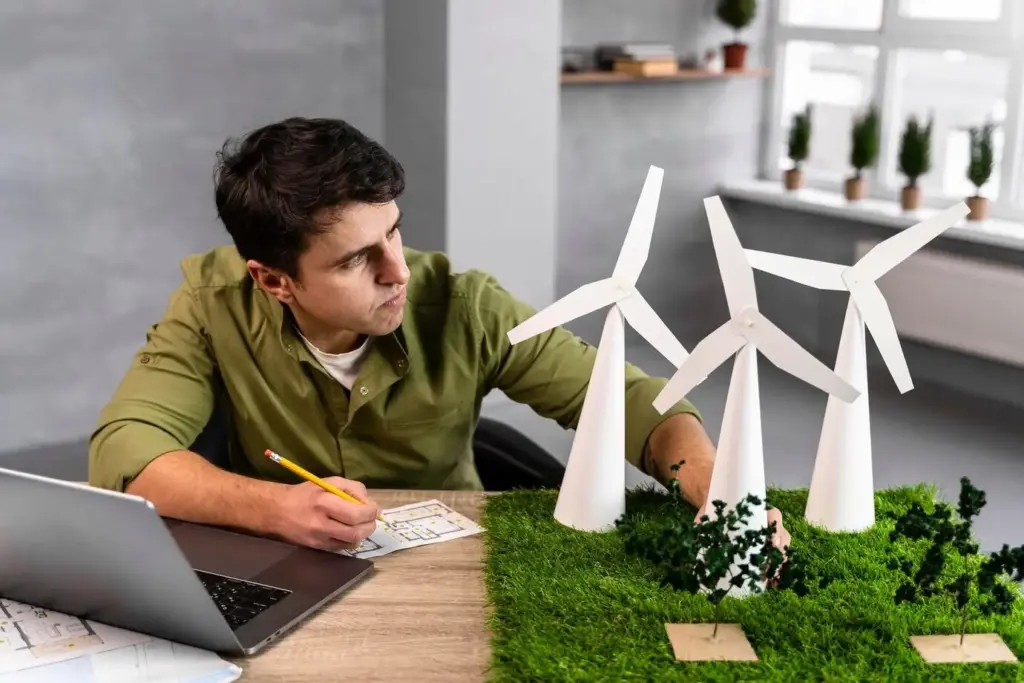
Mark where electricity enters, which circuits serve which spaces, and how devices draw power across the day. Note always-on equipment, chargers, and entertainment centers. Sketch typical peaks—mornings, evenings, laundry days—and seasonal shifts like heating and cooling. The drawing makes invisible consumption visible so you can question settings, schedules, and swaps. Even without meters, patterns emerge that guide low-effort, high-return decisions almost immediately.

Water Journeys from Tap to Drain

Map hot and cold lines to sinks, showers, toilets, dishwasher, and laundry. Add outdoor spigots and irrigation. Identify where heat is lost, where leaks might lurk, and how long hot water takes to arrive. Note behaviors: shower length, laundry frequency, and handwashing habits. The clearer your picture, the easier it is to shorten runs, fix drips, install aerators, or adjust routines that trim waste while preserving comfort every day.

Collect the Right Data with Minimal Effort

You do not need a lab to learn. Start with a short baseline: quick readings, simple counts, and consistent notes. Keep the process friction-light so it becomes a weekly habit, not a chore. Smart plugs, utility portals, and water meters can fill gaps. Think of each data point as a clue. When the mystery is reducing waste and saving money, a modest set of reliable clues is better than a mountain of inconsistent numbers.

Turn Patterns into Discoveries

With flows on paper and data in hand, start asking why. Why the late-night power draw? Why is hot water slow in one bathroom? Why does produce spoil midweek? Dig gently, test small adjustments, and watch metrics respond. These discoveries become stories you can retell, solidifying new habits. Momentum builds when a simple tweak—like a timer, gasket fix, or labeling system—visibly changes your graph. Each improvement pays twice: less waste and lower bills.

Quick Wins Within a Weekend

Install LED bulbs in high-use fixtures, add aerators, fix obvious leaks, set appliance eco-modes, and put entertainment centers on switched strips. Label leftovers with dates and designate a weekly “eat-first” shelf. Adjust thermostat schedules and laundry temperatures. These actions require little skill yet deliver immediate reductions you can see on the next bill. Quick wins create confidence, making it easier to tackle medium projects with the assurance that effort truly pays back.

Smart Upgrades with Clear Payback

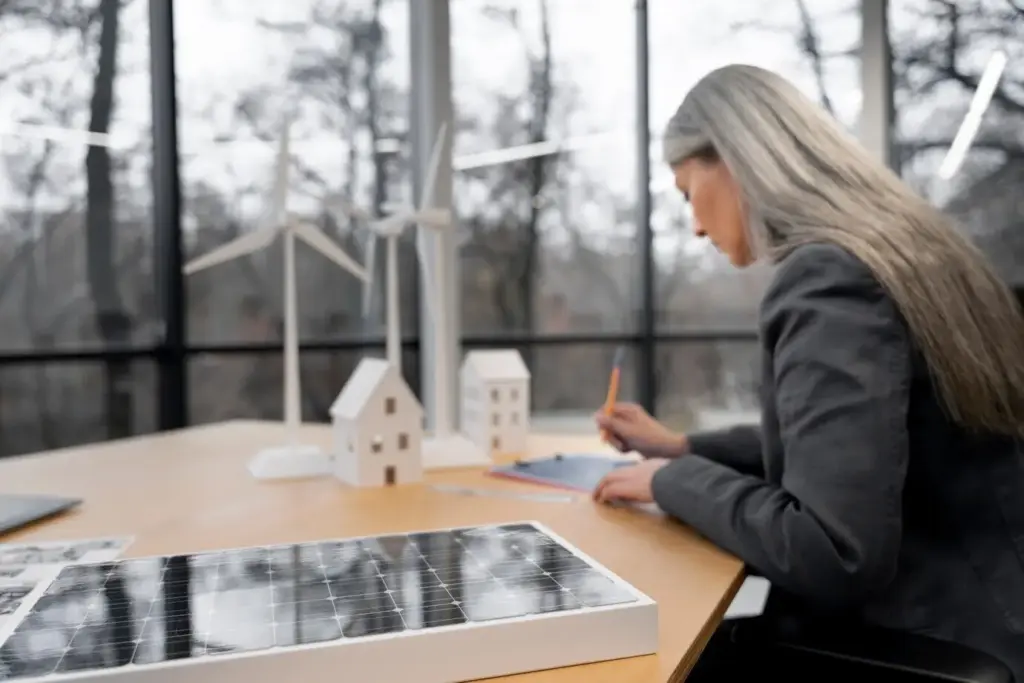
Consider a smart thermostat, efficient showerheads, pipe insulation, or an Energy Star appliance when replacement time arrives. Evaluate payback using your baseline data and local rates. Sometimes a modest upgrade unlocks significant, compounding savings over years. Pair purchases with available rebates and incentives. Keep receipts, note installation dates, and monitor results monthly. When numbers confirm improvements, you reinforce a culture of evidence-based decisions that continues to steer spending toward the greatest household benefit.

Habits That Stick

Behavior changes must be small, visible, and satisfying. Pre-chop produce to reduce midweek waste, set a weekly appliance check, and schedule five-minute leak patrols. Make reminders frictionless: fridge notes, phone alarms, shared family checklists. Celebrate streaks, not perfection. Tie actions to existing routines so they become automatic. When habits fit your real life, the mapped flows stabilize in better positions, supporting long-term savings without constant willpower or complicated micromanagement.

Close the Loops to Cut Waste

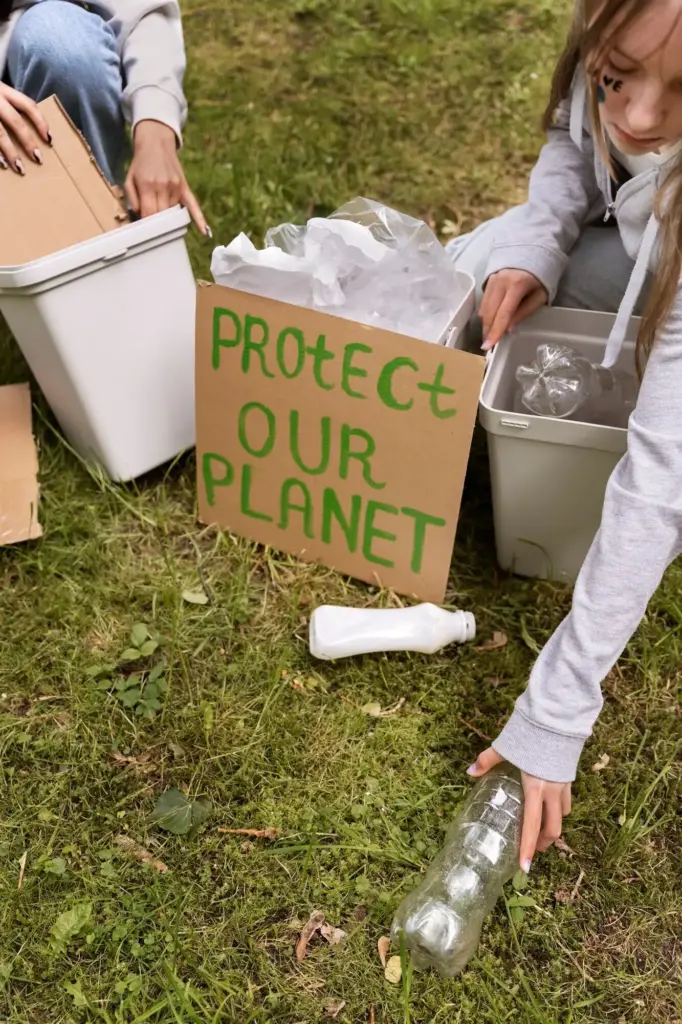
Waste falls dramatically when outputs become inputs. Compost becomes garden nutrition, jars turn into storage, boxes become organized shipping or returns, and worn textiles become cleaning rags. A simple home reuse station makes decisions easy in busy moments. Map these loops right onto your diagram so everyone knows where things go. Each closed loop avoids purchases, trims trash, and trains a helpful instinct: first, see value; then, direct it to its next life.

Track Results and Keep Momentum

Turn improvements into a living dashboard. Each month, enter meter readings, grocery totals, and trash volumes. Celebrate lower baselines, and investigate unexpected spikes with curiosity, not blame. Rotate focus areas—energy this month, water next—to keep attention fresh. Invite family input on goals and rewards. Over time, the map evolves with your life changes, remaining a reliable guide that protects budgets, reduces waste, and builds a calmer, more resilient home rhythm.

Simple Metrics That Matter

Pick a handful of indicators you can sustain: kWh per day, gallons per day, weekly food waste weight, and monthly household goods spending. Plot them on a single page for easy comparison. Even rough numbers show trendlines. If a metric is tedious, simplify it until it fits your routine. Consistency beats precision for daily life, and steady tracking turns small insights into dependable, compounding savings across seasons and changing schedules.

Visual Dashboards and Family Challenges

Use a fridge chart, a shared phone note, or a simple spreadsheet to display progress. Set playful goals, like beating last month’s weekend baseline or rescuing three leftovers per week. Provide small rewards that fit your values. Visual cues fuel motivation because they make success tangible and shared. When everyone sees the wins, participation rises, and the household map becomes a collaborative tool rather than a private project managed by one person.
Pezalefuxakoxaxuxu
Privacy Overview

This website uses cookies so that we can provide you with the best user experience possible. Cookie information is stored in your browser and performs functions such as recognising you when you return to our website and helping our team to understand which sections of the website you find most interesting and useful.